How Do AI Humanizers Work? Unlocking the Technology
Published: 27 Jan 2026
AI humanizers are tools designed to make robotic or stiff text sound more natural and relatable. They work by analyzing AI-generated content, then reshaping sentences, adjusting tone, and adding variety to make the writing feel like everyday conversation. These tools spot patterns like repetitive phrases or overly formal language and replace them with smoother, more casual alternatives.
By improving the flow and clarity, humanizers help content connect better with readers while keeping the original meaning intact. Understanding how do AI humanizers work helps you use them effectively in blogs, articles, or any type of writing.
What Are AI Humanizers?
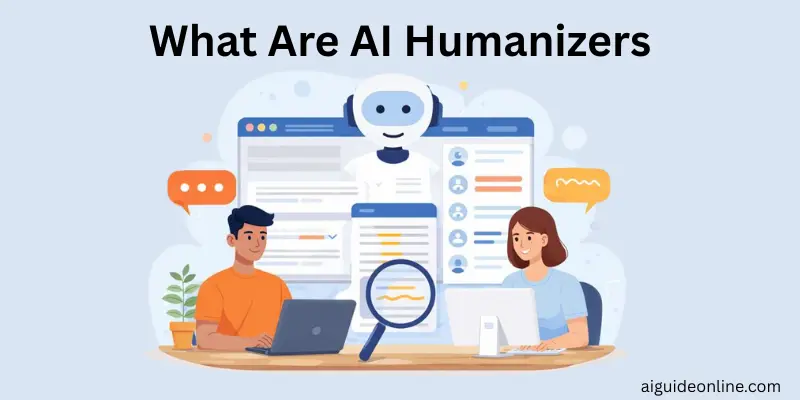
An AI humanizer is a tool designed to make computer-generated text sound more like it was written by a person. It adjusts the style, tone, and flow of the content to make it more natural and engaging. By rewriting robotic or repetitive sentences, it helps the text feel smoother and more relatable to readers. These tools are often used to improve the quality of content, making it more appealing for audiences.
If you’re looking to discover more similar tools, be sure to check out my detailed guide on Winston AI.
How do AI Humanizers Work
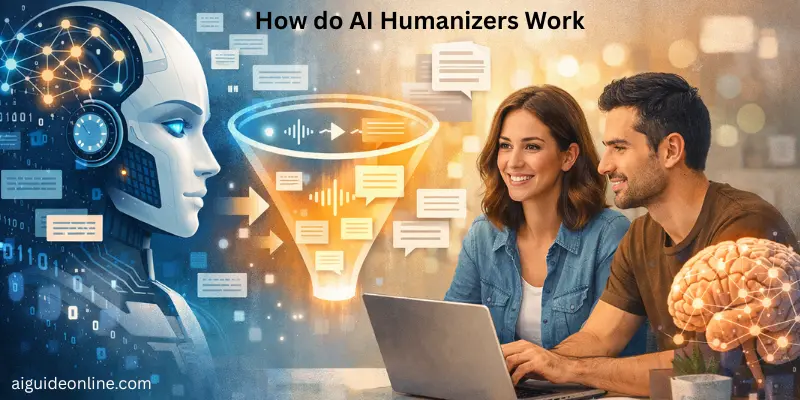
AI humanizers are tools that help make AI-generated content sound more natural and easier to read. These tools use natural language processing (NLP), which allows AI to better understand and mimic human language. AI models, like large language models (LLMs), are trained on large amounts of data to create text that sounds human-like. However, sometimes the text they produce can sound mechanical or stiff.
An AI humanizer fixes this by analyzing the content and making adjustments to improve its flow. It smooths out awkward phrasing, removes repetitive sentences, and changes a robotic tone into something more natural. The goal is to make the text feel more conversational, just like something a person would write.
These tools often work alongside AI detectors, helping refine the content until it feels genuinely human. The result is writing that sounds authentic and is better suited for a variety of purposes, whether it’s for marketing, academic work, or casual content.
Benefits of Using AI Humanizers
AI humanizers provide a range of benefits, especially for content creators, marketers, and writers. They help improve the authenticity and engagement of AI-generated text, making it more relatable and natural for readers. Here are some of the key advantages:
Speed and Efficiency: AI humanizers quickly refine content, making it sound more natural in seconds. This speeds up the writing and editing process, especially for long articles or marketing materials. It saves time while ensuring the output remains high quality.
Consistency: These tools help maintain a consistent tone, style, and voice across all your content. Whether you’re writing blog posts, social media updates, or product descriptions, AI humanizers ensure that your writing stays true to your brand’s persona. Consistency builds recognition and trust with your audience.
Readability: AI humanizers improve the flow of your content, making it more readable and engaging. They help eliminate awkward phrasing and make the language more relatable. This improves the overall user experience, making the content easier for your audience to understand and enjoy.
SEO Benefits: Search engines like Google prefer content that sounds natural and human-written. By using an AI humanizer, you can make your AI-generated content more conversational and fluid, which not only improves readability but also helps with SEO. Natural-sounding content is more likely to rank higher in search results, driving more organic traffic to your site.
Cost-Effectiveness: Hiring full-time writers or editors can be expensive. AI humanizers provide an affordable solution by refining content to match your desired style and tone. For businesses with limited budgets, these tools allow for high-quality content creation without the need for extra human resources.
Limitations and Risks of AI Humanizers
AI humanizers can make text sound more natural, but they are not perfect. Understanding their limitations and risks is important so you can use these tools responsibly and avoid problems with accuracy, ethics, or credibility.
Limited Improvement in Academic Quality: AI tools can change the wording or phrasing, but they don’t improve the actual quality of ideas or arguments in academic writing. They only adjust surface-level language and don’t add to the depth of the content, which is essential for strong academic work.
Ethical Concerns in Academic Use: Using AI to make machine-generated text look original can blur the lines of academic integrity. Some students may use these tools to bypass plagiarism checks and present AI-written work as their own, which could violate academic honesty policies and mislead teachers.
False Claims About Detection Evasion: Many AI humanizer tools claim to help bypass detection systems or make content undetectable. These claims often oversimplify how AI detectors work and may mislead users into thinking the tools are more effective than they really are.
Risk of Misuse and Misrepresentation: When AI-generated content is “humanized” to hide its origin, it can lead to misrepresentation of authorship. This is particularly problematic in academic and professional settings, where it’s important to be clear about how content was created.
Additional Editing and Validation Required: AI tools can’t verify facts or understand context deeply. Users need to double-check and correct the information themselves because these tools might introduce errors or fail to catch mistakes.
Extra Time and Complexity in Workflow: Using AI to humanize text adds extra steps to the writing process. This can be time-consuming and costly, especially for long or technical documents, as it requires additional editing, reviewing, and quality checks that wouldn’t normally be necessary.
Popular AI Humanizer Tools (Examples)
In today’s rapidly evolving world of AI technology, several platforms are gaining popularity for their ability to make AI-generated content sound more natural and human-like. These tools are designed to improve the flow and tone of text, making it more relatable and suitable for a wide range of uses.
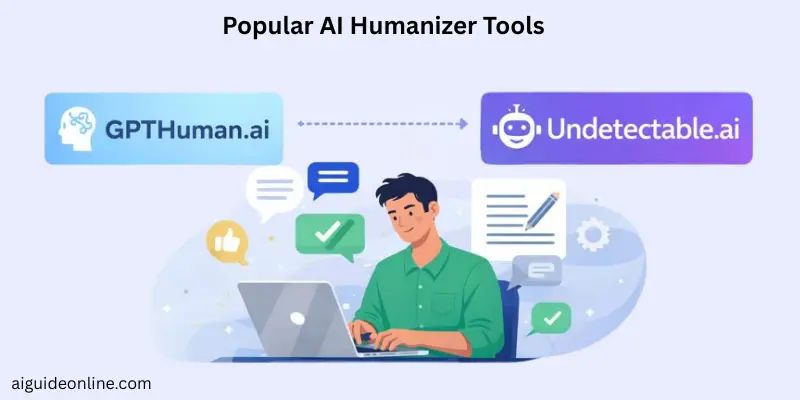
GPTHuman AI
GPTHuman AI is an advanced AI writing tool that helps create content which feels like it was written by a real person. It offers a variety of features, allowing users to adjust the tone, style, and voice of the text to meet their needs. With support for over 80 languages, this platform ensures that the content is not only authentic but also engaging for users around the world.
Undetectable AI
Undetectable AI is another powerful tool that focuses on making AI-generated content undetectable by AI detection systems. It works with various AI models, including ChatGPT and GPT-4, and ensures the content appears completely human-written. This makes it a great option for writers who want their content to pass off as original, or for educators looking for solutions to avoid AI-generated plagiarism.
Best Practices for Using AI Humanizers
AI humanizers can help make AI-generated text sound more natural and engaging. When used correctly, they improve readability, tone, and authenticity, all while saving you time. Here are some best practices to make the most of them:
- Understand the Purpose of AI Humanizers: AI humanizers refine AI-generated text so it reads more naturally, like something a person would write. These tools fix awkward phrasing and repetitive patterns that AI often produces. Before using a humanizer, know what you want to achieve — whether it’s better flow, more personality, or a tone that fits your audience.
- Use Humanizers as Part of Your Editing Process: Humanizers can quickly adjust tone and structure, but they shouldn’t be your final step. Always read through the text yourself to make sure the meaning and intent stay intact. Treat the humanizer’s output as a draft, not a finished piece.
- Add Your Personal Touch: AI humanizers help make text sound more natural, but your personal voice is what really connects with readers. Add your own examples or specific language that reflects your style. Real-world details can help make the content feel more authentic and less robotic.
- Balance Humanizer Output with Your Own Edits: While humanizers make text flow better, you still need to check it for meaning and clarity. They may not catch every nuance or context. Use the humanized version as a starting point, then refine it yourself to ensure it communicates clearly.
- Double-Check for Accuracy: Even after humanizing, AI-generated text may still have errors or inaccuracies. Always fact-check before publishing to maintain your credibility. Incorrect or misleading information can harm your trust with readers, no matter how natural the tone sounds.
- Follow Ethical and Academic Standards: In professional or academic settings, don’t use AI to bypass detection tools like Turnitin. Humanizers should be used to improve clarity, but you still need to cite sources and follow guidelines. Be transparent about AI use if required.
- Boost Reader Engagement: Humanized content is more conversational and relatable, keeping readers interested and engaged. Tools help improve sentence flow and remove stiff patterns, making the text easier and more enjoyable to read. This is especially important for blogs, marketing content, or customer-facing material.
- Maintain Your Brand’s Voice: AI humanizers can make writing sound natural, but they may not always match your brand’s voice. After humanizing, make sure the text fits with your style and values. Consistency helps build recognition and trust across all your content.
- Don’t Focus Too Much on Detection Evasion: Some tools claim to help you avoid AI detectors, but the goal should always be quality content. Focusing too much on bypassing detection can lead to writing that feels fake in other ways. Aim for authenticity, not just evasion.
- Refine Your Approach Over Time: Every audience is different, so track how readers respond to your content after you publish. Over time, adjust your use of humanizers based on what works best. Continuous improvement helps you find the right balance between AI efficiency and human touch.
Future of AI Humanizers
The future of AI humanizers is looking bright as technology continues to evolve, making machine-generated writing feel more natural, personalized, and in tune with human expectations. As AI systems advance, the tools used to humanize content must keep up to ensure that writing stays engaging, relevant, and practical for everyday communication.
- Wider adoption and demand: As content automation becomes more common, the use of AI humanization tools is expected to grow quickly. More industries will turn to these tools to enhance the quality of their content.
- Evolving with detectors: As tools that detect machine-generated content get better, AI humanizers will also need to improve. The goal will be to make AI-generated text as natural and undetectable as possible.
- Personalized and adaptive writing: In the future, AI humanizers may adjust their writing style to suit specific subjects, audiences, or even academic formats, making content more relevant and accurate.
- Human-AI collaboration: Research suggests that future workflows might combine AI generation and human creativity, allowing AI humanizers to act as collaborative partners, not just tools.
- Ethical standards and responsibility: With AI humanization becoming more common, there will likely be a push for clear ethical guidelines to ensure these tools are used correctly, especially in professional and academic settings.
- Multilingual and cultural expansion: As AI tools become more global, support for multiple languages and cultures will grow, making these technologies accessible to a wider audience around the world.
Conclusion
In this guide, we’ve looked at how do AI humanizers work. These tools take robotic, stiff text and turn it into something more natural and engaging. They make content easier to read, help writers create better pieces, and save time. But, it’s also important to remember that a little manual review is still needed to avoid mistakes, like misrepresentations or errors.
Here’s my advice: use AI humanizers as a helpful tool, but don’t depend on them entirely. Always add your personal touch and double-check for accuracy to make sure the content fits your purpose. This way, you can take full advantage of these tools while still keeping your unique voice intact.
Keep learning, and I’ll be here to help you discover even more ways to improve your writing!
FAQs about how do AI Humanizers work
Here’re some common asked questions about how do ai humanizers work:
To fully humanize AI text, you need to add personal touches like your voice, style, and experiences. Edit the text for natural flow, and check for any awkward phrasing or errors. You should also make sure the content aligns with your knowledge and purpose. This helps ensure it sounds completely human.
Humanized text can sometimes be detected, but it’s harder than regular AI text. If the content is too polished or lacks personal insight, it might raise suspicion. However, well-edited humanized AI text often blends seamlessly with real human writing.
Teachers can sometimes spot humanized AI, especially if it’s inconsistent with your usual writing style or lacks depth. If the AI text isn’t modified enough, it can still sound off. But if you personalize it well, it’s harder to detect.
Turnitin doesn’t specifically check for AI-generated content, but it detects similarities in writing patterns. If your humanized text has been altered from a source, Turnitin may flag it if it matches other works. It’s important to ensure the final text is unique to avoid detection.
AI text humanizers are tools designed to make machine-generated text sound more natural and human-like. They adjust the language to make it less robotic and more relatable. These tools help improve readability and flow.
AI text humanizers use algorithms to adjust sentence structure, wording, and tone. They replace stiff or formal language with casual or conversational phrasing. The goal is to make the text sound like it was written by a person, not a machine.
People use AI text humanizers to improve the quality and readability of machine-generated content. These tools help make the writing more engaging and easier to understand. They save time by creating polished text quickly, but still require a personal touch to ensure it sounds authentic.





- Be Respectful
- Stay Relevant
- Stay Positive
- True Feedback
- Encourage Discussion
- Avoid Spamming
- No Fake News
- Don't Copy-Paste
- No Personal Attacks
- Be Respectful
- Stay Relevant
- Stay Positive
- True Feedback
- Encourage Discussion
- Avoid Spamming
- No Fake News
- Don't Copy-Paste
- No Personal Attacks
